



Imagine having 80% of your workforce disengaged. Gallups 2026 latest research finds that global engagement fell for the second straight year, dropping to 20%. Last year, low engagement cost the world economy an estimated $10 trillion in lost productivity
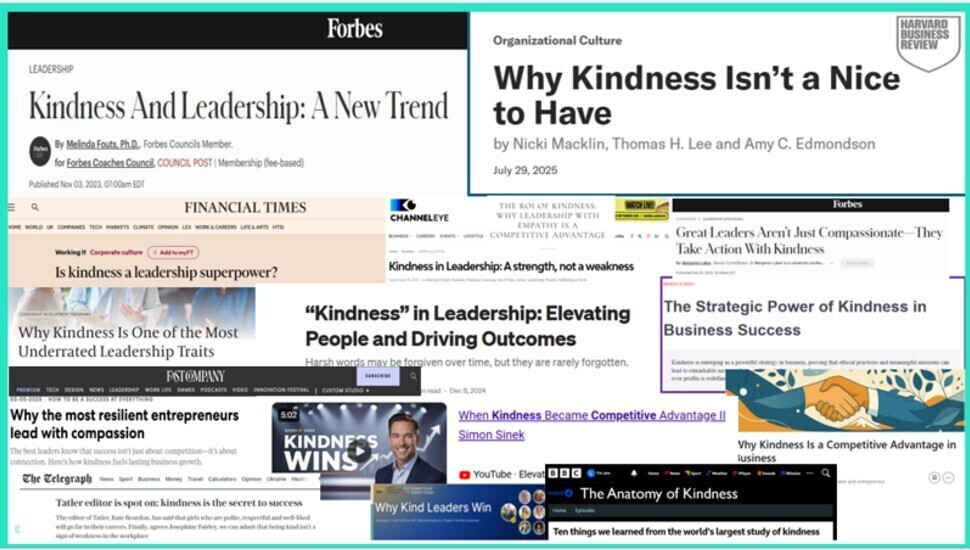
The Competitive Edge No Transformation, Product or Technology Can Match
AI is now on every CEO and board agenda, and rightly so. It will unlock new markets, efficiencies, and opportunities at unprecedented scale.
One thing hasn’t changed:
Organisational performance still depends on people.
Capability, discretionary effort, and customer experience remain the real drivers of competitive advantage. The organisations that treat leadership and people performance as core commercial levers consistently outperform the rest.
AI will accelerate progress.
People will determine it.
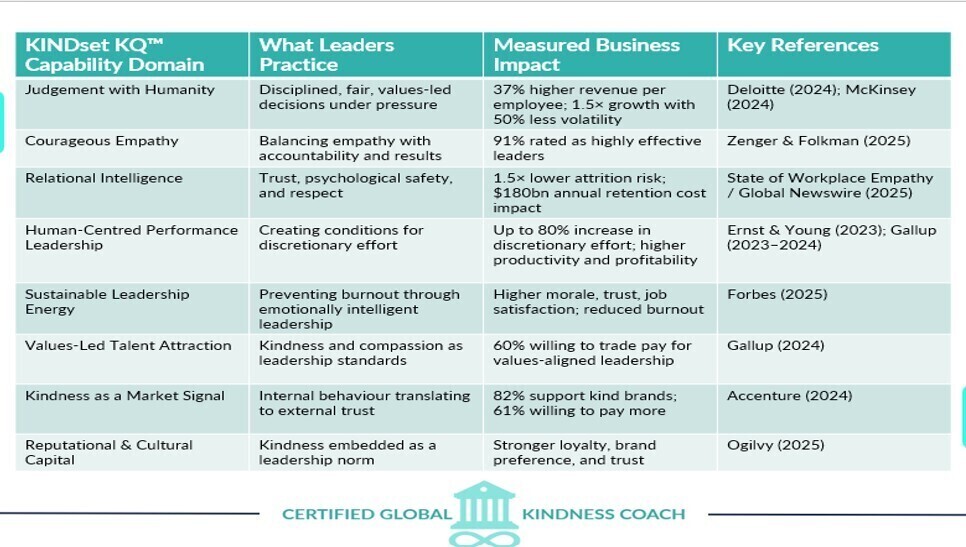
The Tangible Impact on Profit
Kindness is a strategic leadership capability and one of the strongest commercial levers available.
The data is undeniable. The upside is enormous. The organisations that embed kindness into their leadership DNA will lead the next decade.